1. Choline Chloride
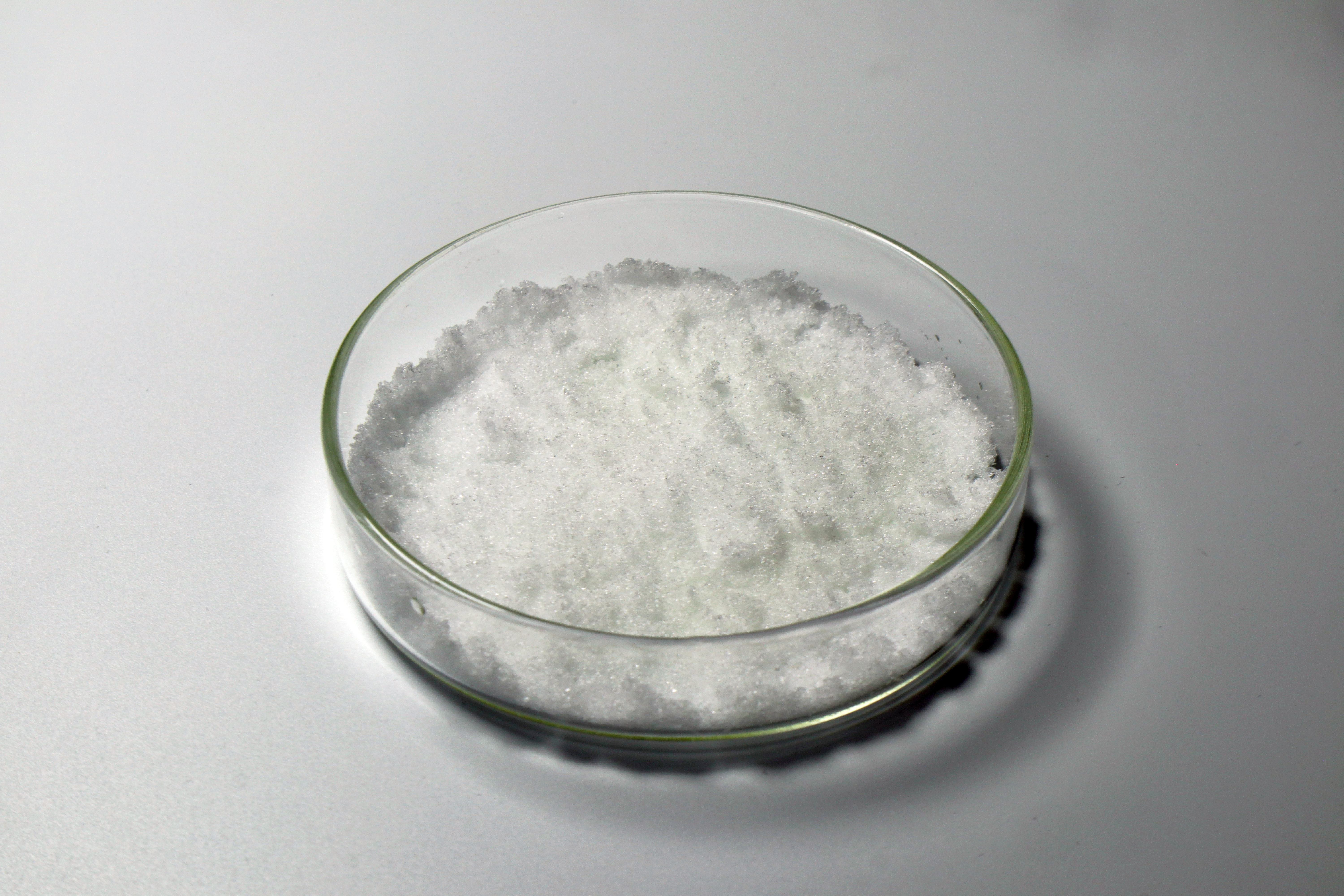
Choline is an essential nutrient involved in lipid metabolism, phospholipid synthesis, and nerve function. In animal feed, it is commonly supplied as choline chloride.
Choline supports the transport and metabolism of lipids in the liver and serves as a precursor of acetylcholine, an important neurotransmitter. It is widely used in poultry, swine, aquaculture, and other animal feeds.
Key functions: Lipid metabolism • Phospholipid synthesis • Nerve function • Growth support
2. Functional Lipids
Functional lipid products are concentrated energy sources designed to improve fat utilization and provide a balanced fatty acid profile.
Through processes such as pre-emulsification and lipid restructuring, some products can offer improved handling, digestibility, and energy utilization compared with conventional fats and oils. They are commonly used in poultry and swine feed.
Key functions: Energy supply • Fat utilization • Fatty acid balance • Feed processing
3. L-Lysine
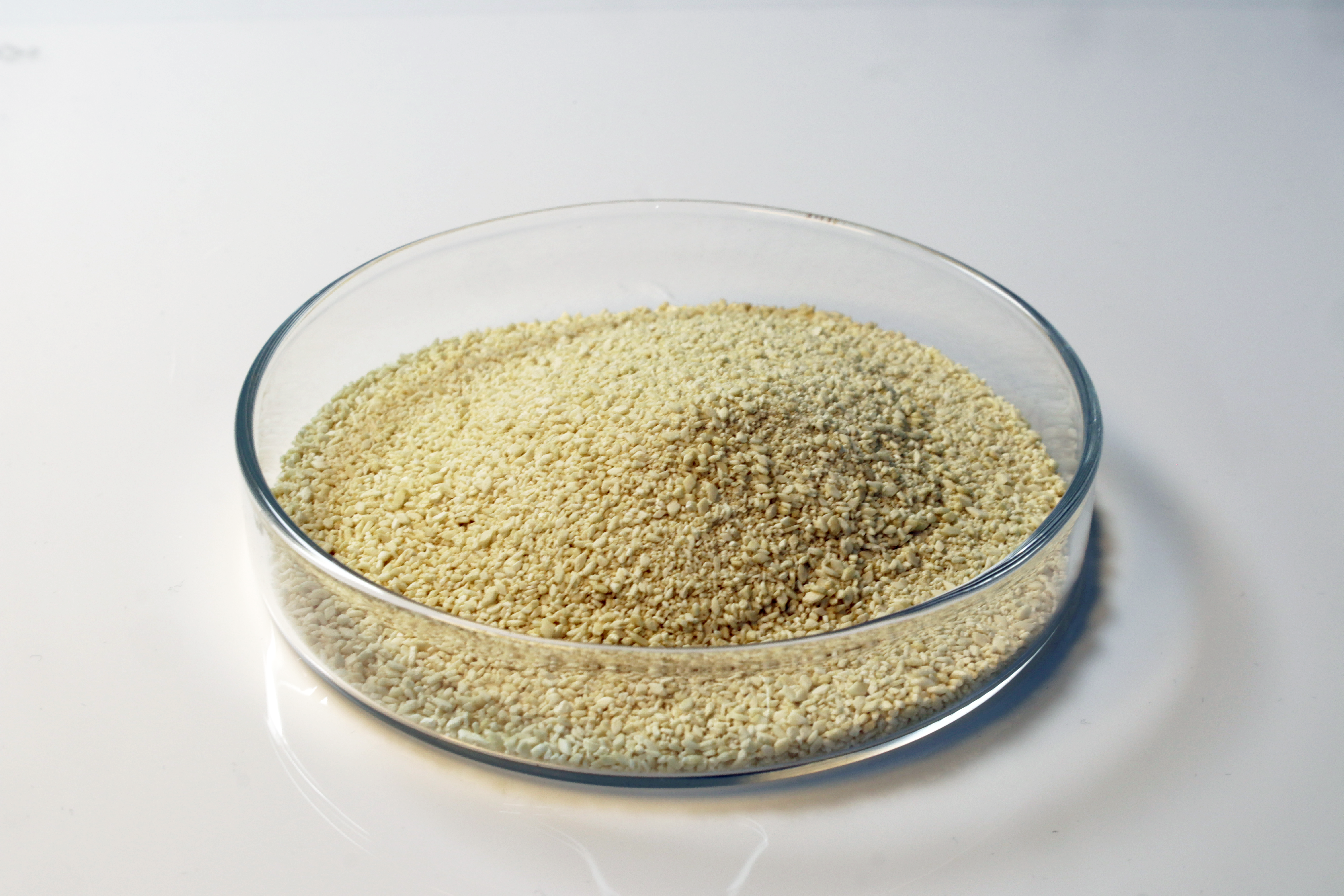
L-Lysine is an essential amino acid and an important component of animal feed formulations. It is required for protein synthesis, muscle development, and animal growth.
Because cereal grains such as corn and wheat are relatively low in lysine, supplemental lysine is often used to balance the amino acid profile of feed and improve protein utilization.
Key functions: Protein synthesis • Muscle development • Amino acid balance • Growth
4. L-Lysine Sulfate
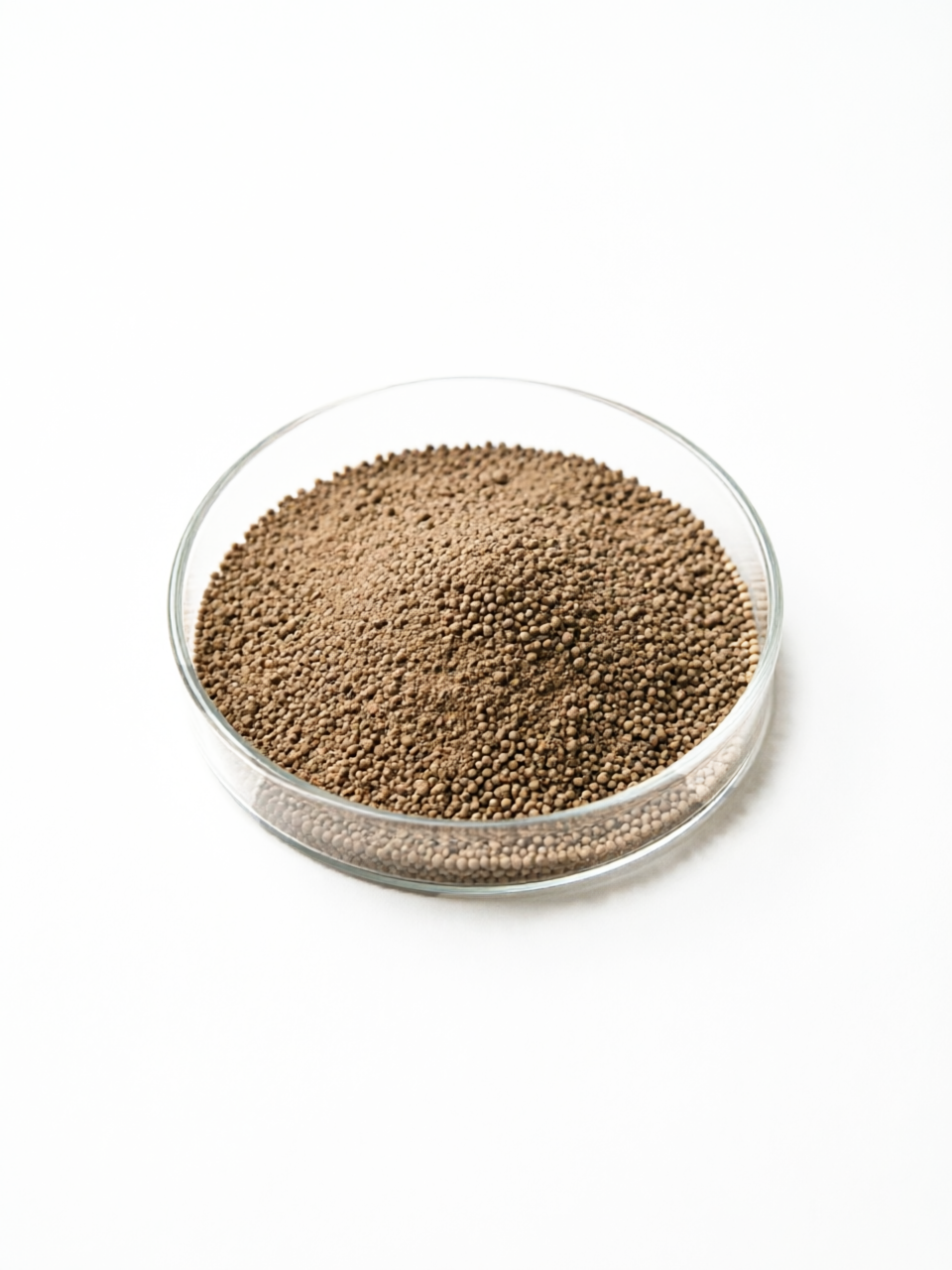
L-Lysine sulfate is another commercial source of supplemental lysine for animal feed. It provides available lysine and is commonly supplied in granular form with good handling properties.
It can be used to optimize dietary amino acid balance and support cost-effective feed formulation.
Key functions: Lysine supplementation • Amino acid balance • Protein utilization
5. Methionine
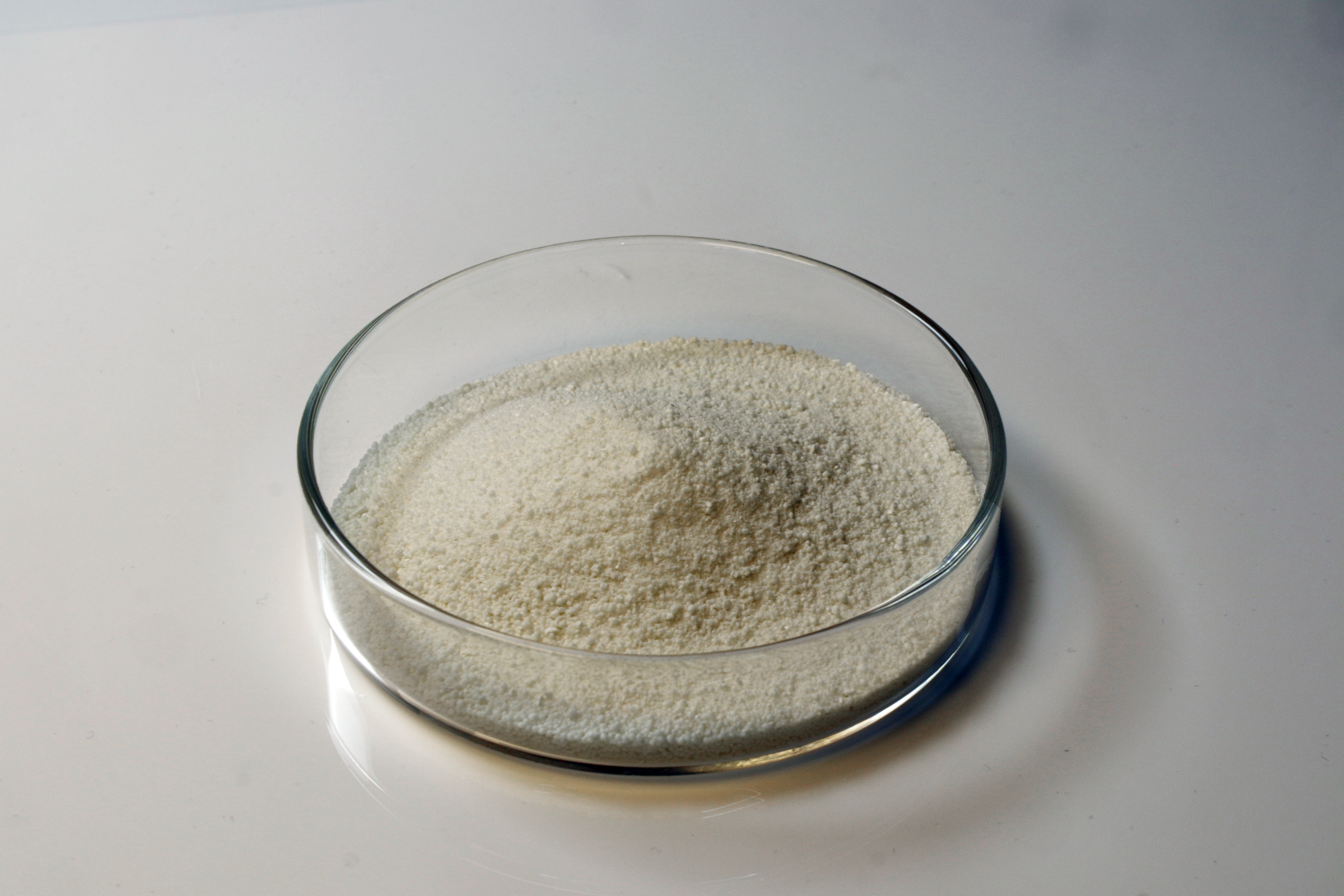
Methionine is an essential sulfur-containing amino acid required for protein synthesis and normal metabolism. It is particularly important in diets based on cereals and plant proteins, where methionine may be insufficient.
Supplemental methionine is widely used in poultry, swine, aquaculture, and other animal feeds to optimize amino acid balance and support growth and feed efficiency.
Key functions: Protein synthesis • Amino acid balance • Growth • Feed efficiency
6. Dicalcium Phosphate
Dicalcium phosphate (DCP) is an important mineral feed ingredient that provides calcium and phosphorus.
Both minerals are essential for bone development, skeletal health, eggshell formation, and various physiological functions. Feed-grade DCP is widely used in livestock, poultry, and aquaculture diets.
Key functions: Calcium supply • Phosphorus supply • Bone development • Mineral balance
Conclusion
Each feed additive has a specific nutritional role. Choline chloride supports metabolism, amino acids help optimize protein nutrition, functional lipids provide energy, and dicalcium phosphate supplies essential minerals.
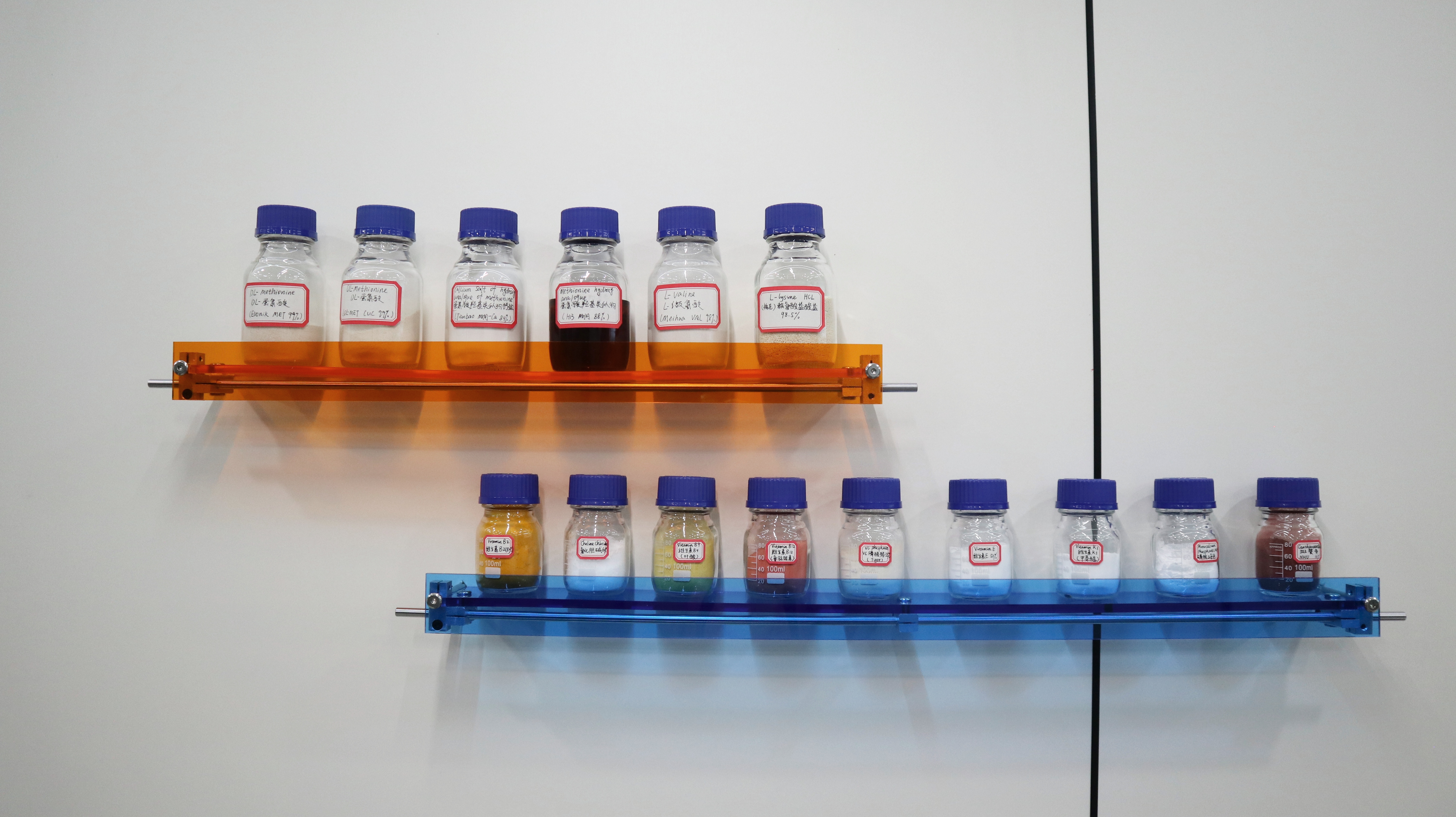
When selected according to animal requirements and properly incorporated into feed formulations, these ingredients can contribute to better nutrient utilization, healthy growth, and efficient animal production.

