By helping regulate acid–base status and supporting normal physiological functions, sodium bicarbonate can contribute to feed utilization, digestive health, and animal performance. Its application is particularly relevant under conditions such as heat stress, digestive disturbances, and metabolic challenges.
1. Supporting Acid–Base Balance
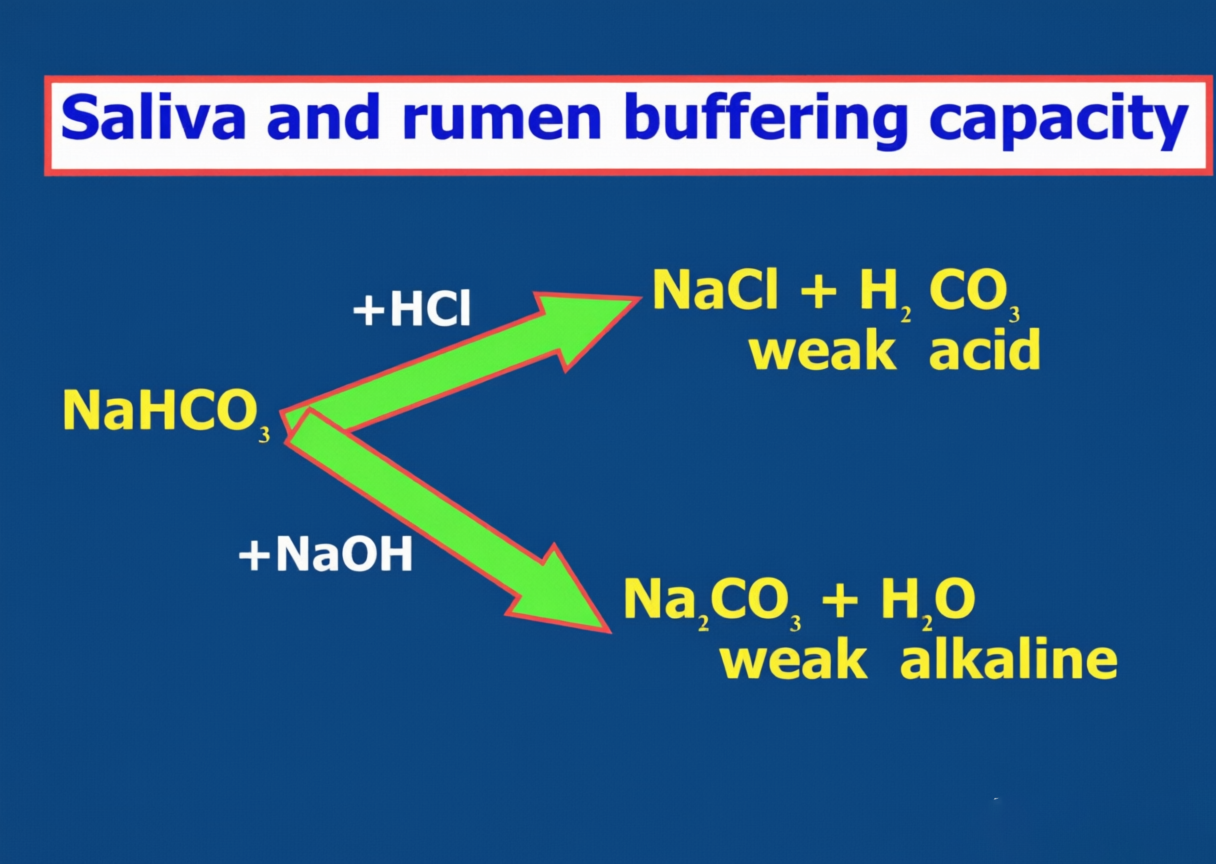
Sodium bicarbonate is an important buffering substance in blood and tissues. It helps maintain physiological pH and adequate alkaline reserves, supporting normal metabolic and physiological functions.
In poultry and other animals experiencing respiratory or metabolic challenges, appropriate buffering support may help maintain acid–base stability.
2. Supporting Digestive Health
As an alkaline compound, sodium bicarbonate can neutralize excess gastric acid and help maintain a suitable digestive environment.
When appropriately incorporated into feed or drinking water, it may support feed intake and digestive function, particularly when animals experience digestive stress.
3. Supporting Electrolyte Balance
Sodium bicarbonate provides sodium ions and can be used as part of an electrolyte supplementation strategy.
In combination with other electrolytes such as potassium and chloride, it can help maintain fluid balance, electrolyte status, and normal physiological function.
4. Supporting Rumen Function in Cattle
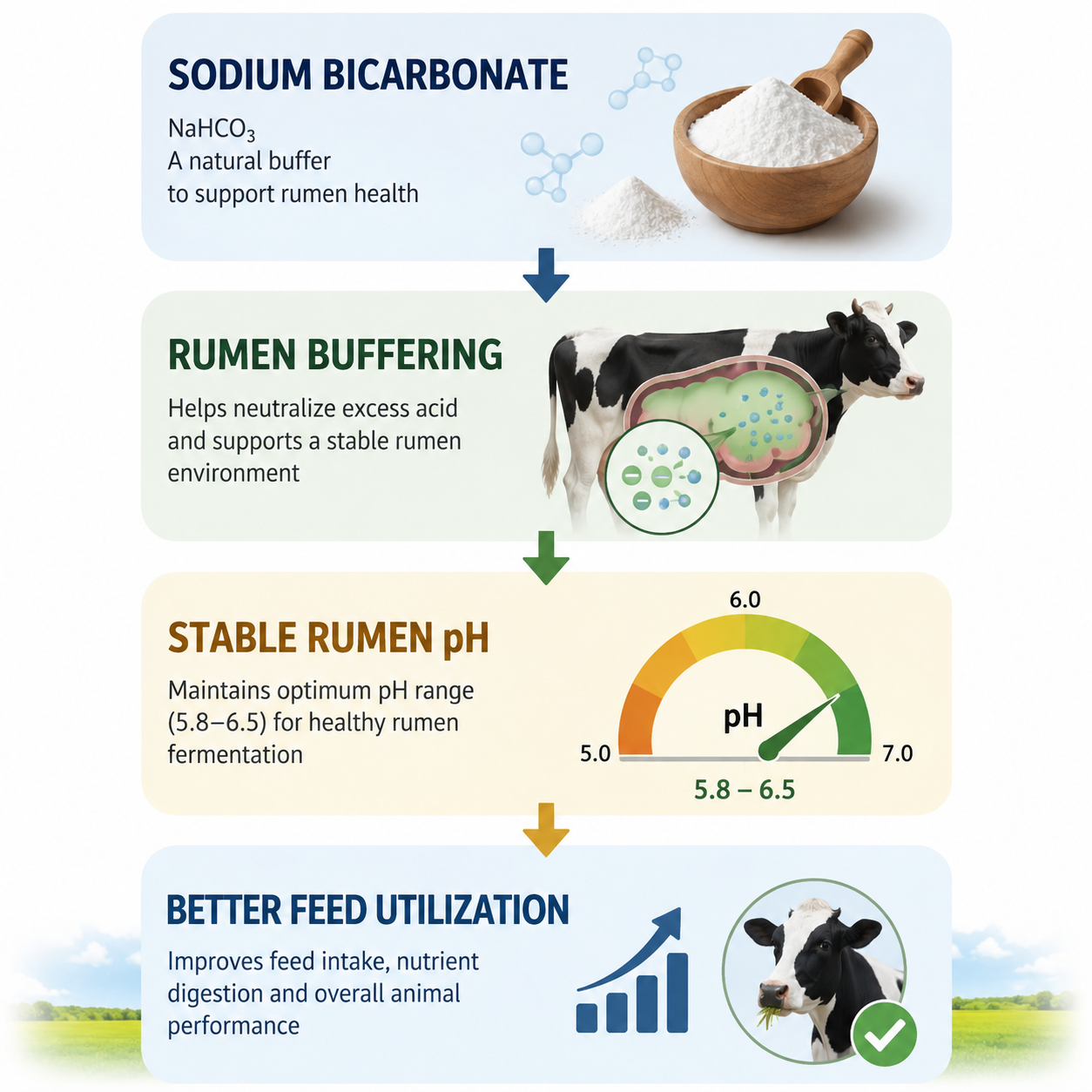
Sodium bicarbonate is commonly used in dairy and beef cattle nutrition as a rumen buffer.
It can help reduce excessive declines in rumen pH and support a more stable rumen environment. This is particularly important for high-producing dairy cows receiving diets rich in rapidly fermentable carbohydrates.
Proper buffering can contribute to better feed utilization and help maintain normal rumen function.
5. Applications in Pig Nutrition
Sodium bicarbonate can be incorporated into pig diets as a source of sodium and a buffering agent.
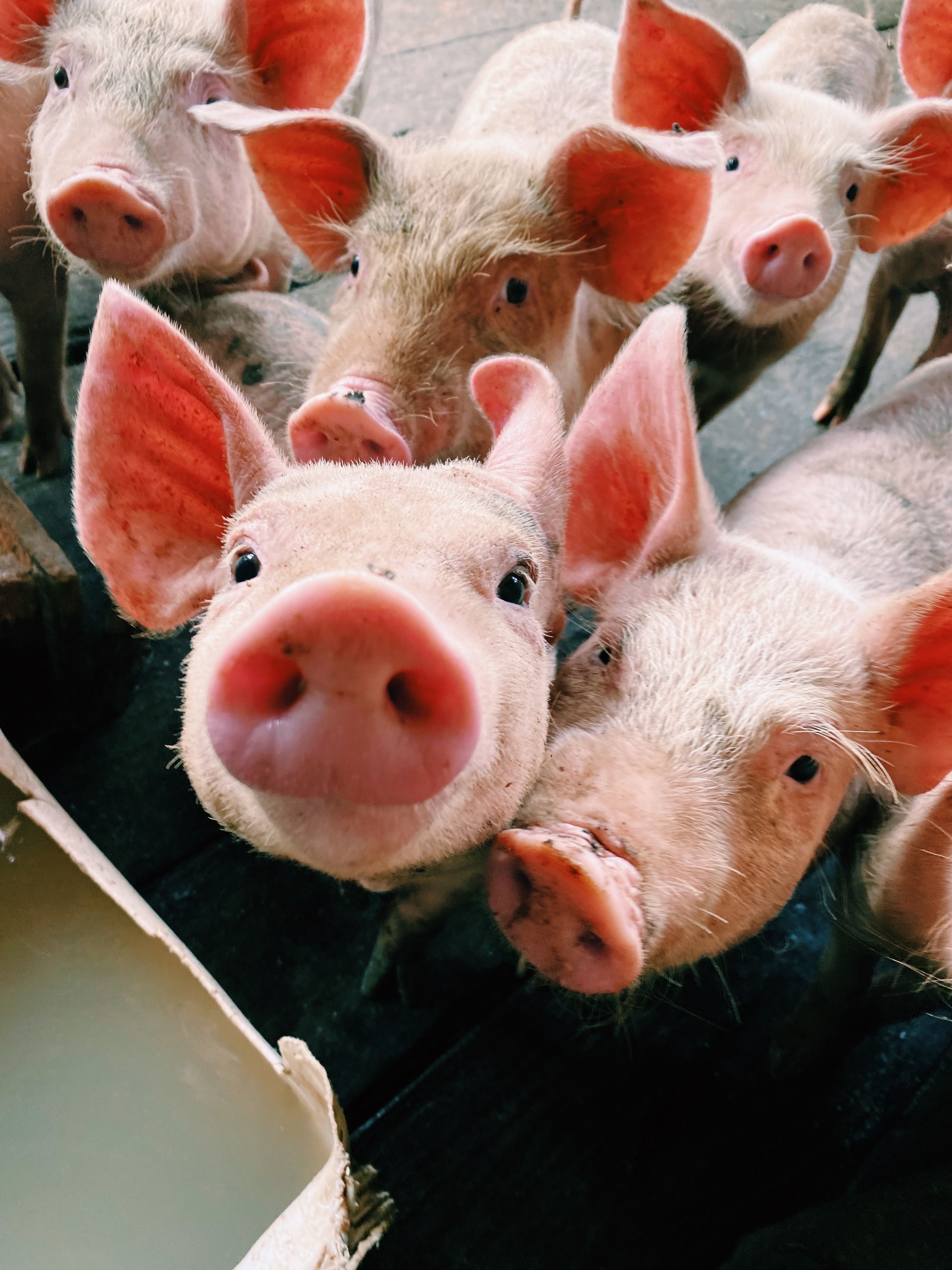
Appropriate supplementation may support:
- Feed intake and growth performance
- Digestive function
- Electrolyte balance
- Adaptation to environmental or nutritional stress
The appropriate inclusion level should be determined according to the animal's age, diet composition, production stage, and overall sodium requirements.
6. Applications in Poultry Nutrition
In poultry diets, sodium bicarbonate can be used to help maintain electrolyte and acid–base balance.

It may also be particularly useful during heat stress, when changes in respiration and electrolyte metabolism can affect bird performance.
For laying hens, an appropriate dietary electrolyte balance is important for maintaining normal eggshell formation and egg production. In broilers, maintaining proper electrolyte balance can support feed intake, growth, and overall performance.
7. Important Considerations
Although sodium bicarbonate is relatively economical and easy to use, it should not be added indiscriminately.
Because it contributes sodium, its inclusion should be considered together with the sodium supplied by salt and other feed ingredients. Excessive supplementation may disturb electrolyte or acid–base balance.
Sodium bicarbonate should also be stored in a cool, dry, and well-sealed environment, as moisture can reduce product stability.
Most importantly, supplementation levels should be based on species, physiological stage, dietary composition, environmental conditions, and nutritional requirements rather than using a fixed dosage for all animals.
Conclusion
Sodium bicarbonate is a versatile feed ingredient with applications in poultry, swine, cattle, and other livestock production. Its main nutritional value lies in its ability to provide sodium and support buffering capacity and electrolyte balance.
Scientific formulation and appropriate dosage are essential to maximize its benefits while avoiding unnecessary electrolyte or acid–base disturbances. When used as part of a well-balanced diet, sodium bicarbonate can be a useful tool for supporting animal health, digestive function, and production performance.

