Feed ingredients are the foundation of animal nutrition. Different raw materials provide energy, protein, lipids, fiber, and other nutrients. Understanding their characteristics is essential for balanced and cost-effective feed formulation.
1. Corn
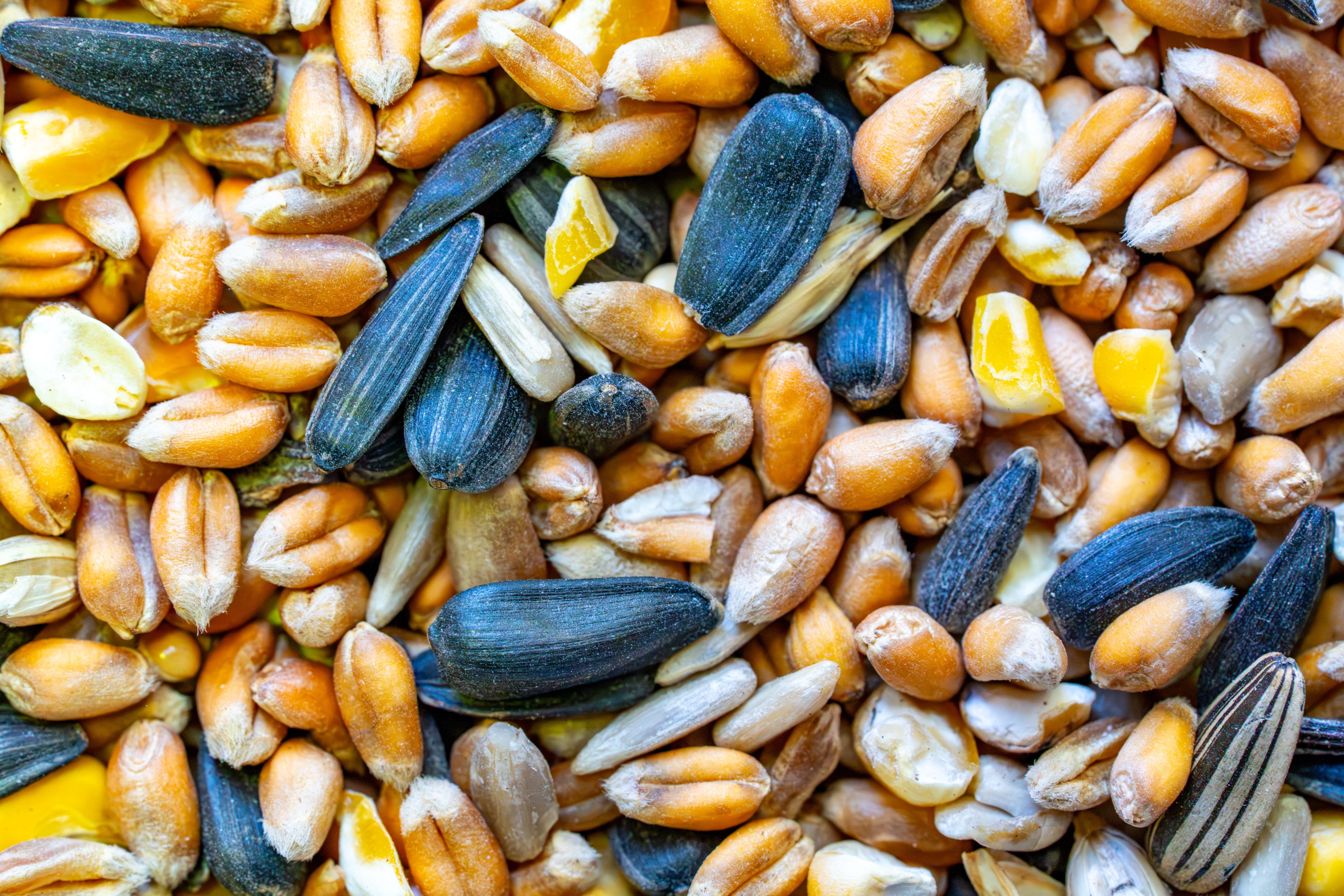
Corn is one of the most important energy sources in animal feed. It is rich in starch, highly digestible, and widely used in poultry, swine, and aquaculture diets. However, its amino acid profile is relatively limited, particularly in lysine and methionine.
2. Rice Bran Meal
Rice bran meal is produced after oil extraction from rice bran. Compared with rice bran, it contains less fat and a relatively higher concentration of protein and other nutrients, making it a useful feed ingredient.
3. Rice Germ and Milling By-products
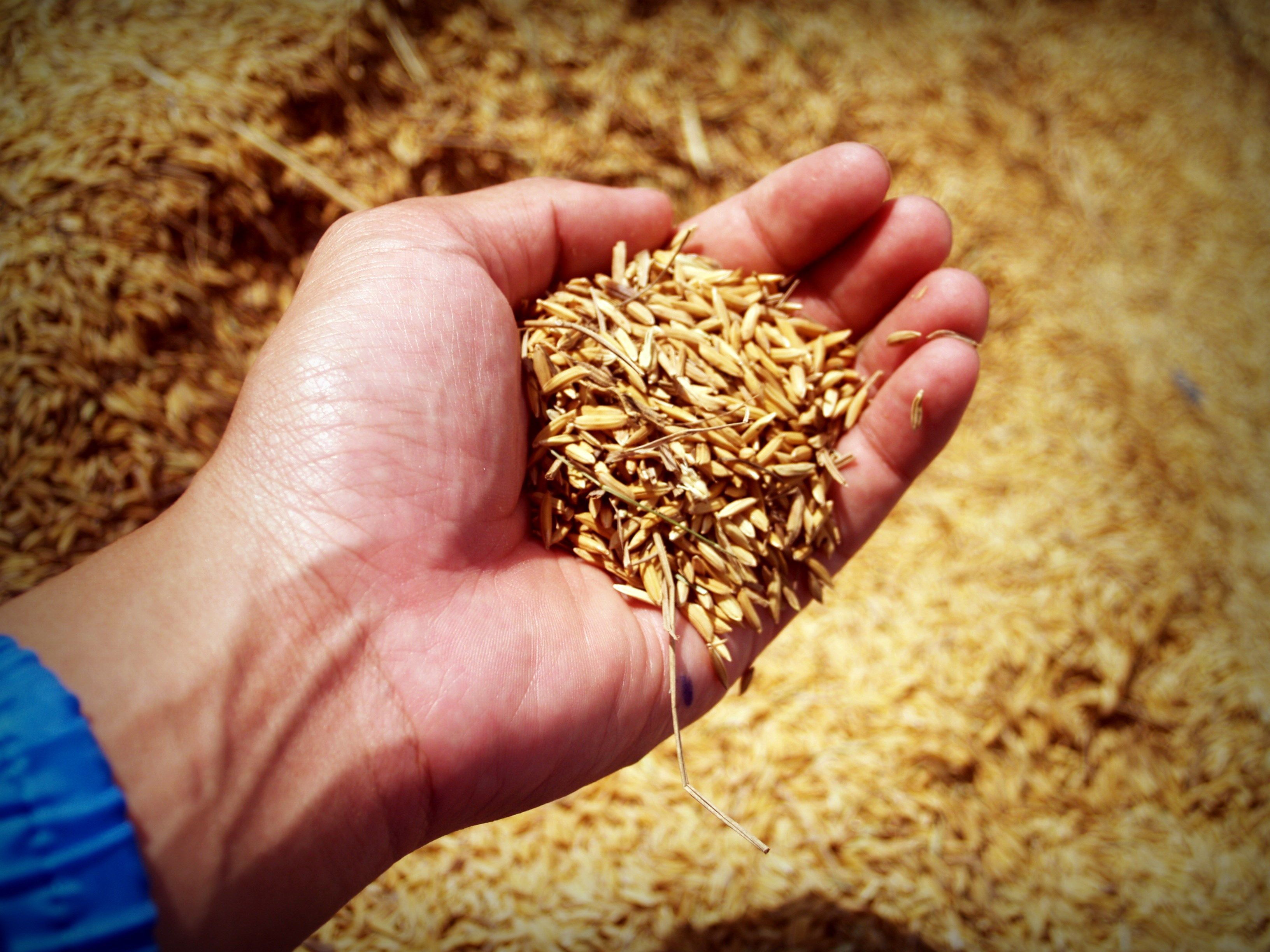
Rice milling produces several nutrient-rich fractions, including rice germ and aleurone-rich materials. They can provide protein, lipids, vitamins, and minerals. Their nutritional value varies depending on the processing method.
4. Soybean Meal
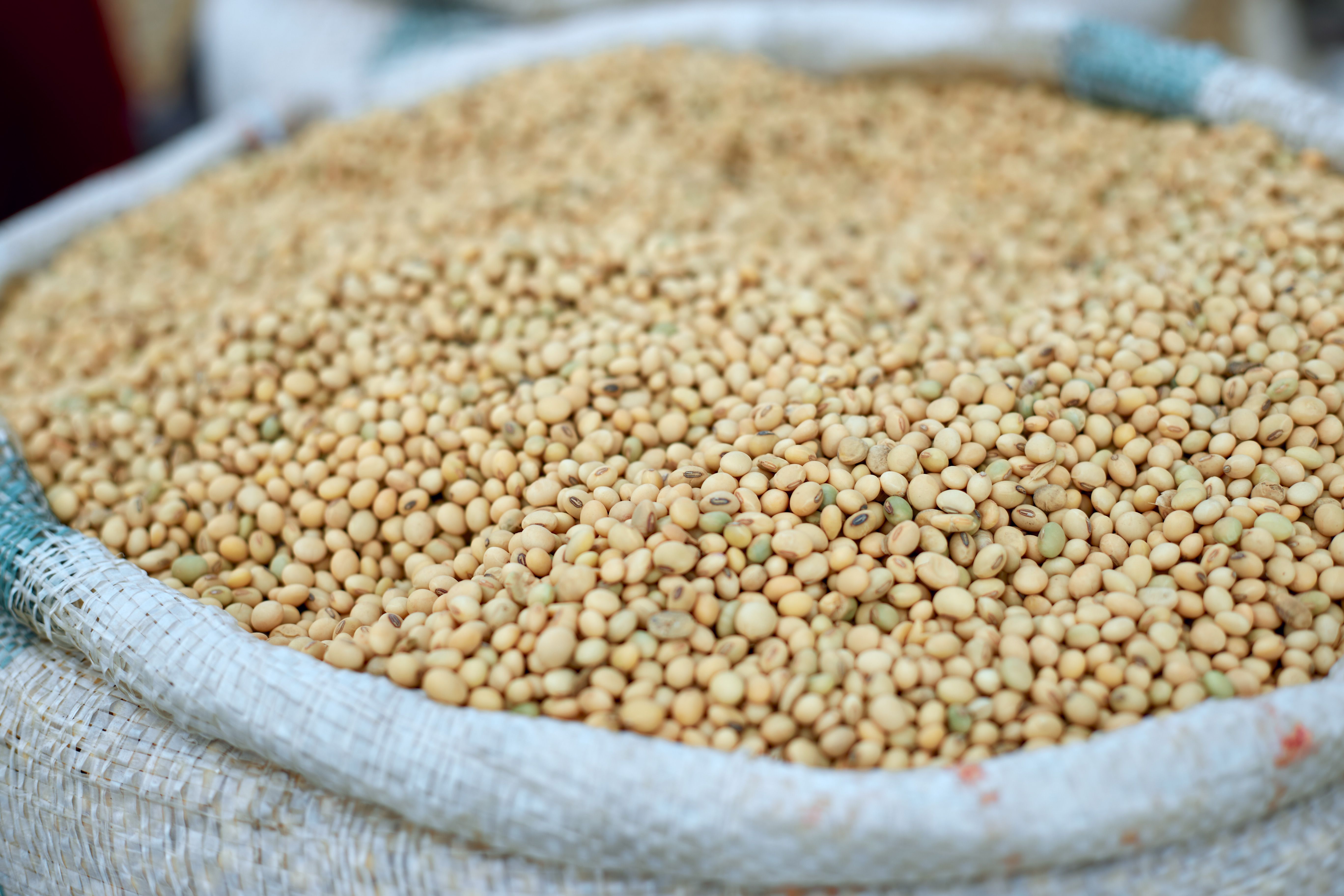
Soybean meal is one of the most widely used plant protein sources in animal feed. It provides high-quality protein and a favorable amino acid profile, but methionine supplementation is often required to achieve a balanced diet.
5. Rapeseed Meal
Rapeseed meal is a valuable plant protein source produced during rapeseed oil extraction. It contains considerable protein and minerals, but factors such as glucosinolates and phytate should be considered when determining inclusion levels.
6. Wheat
Wheat is mainly used as an energy source and generally contains more protein than corn. However, its nutritional value can be affected by non-starch polysaccharides, especially in poultry diets.
7. Rice Bran
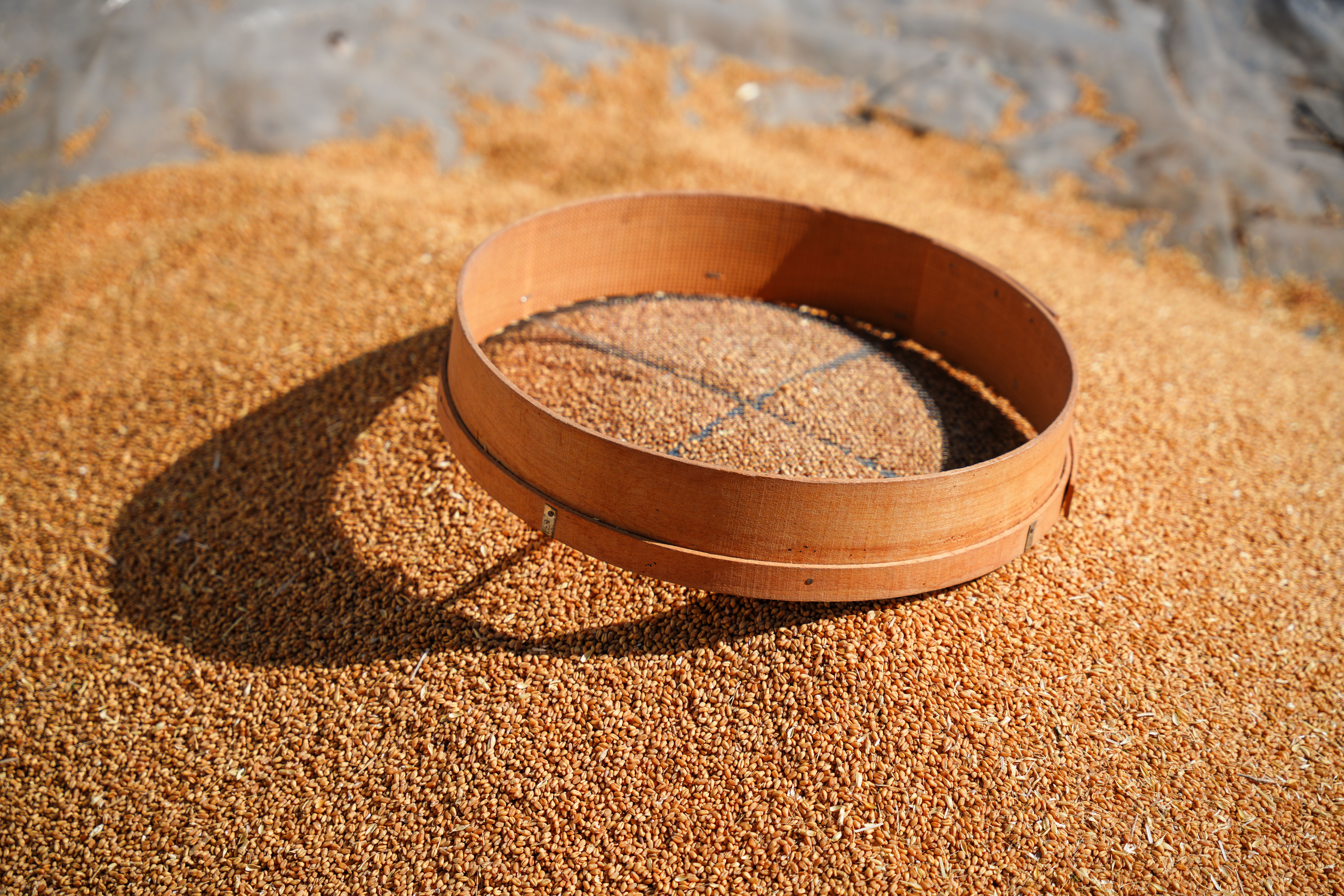
Rice bran contains protein, fat, fiber, vitamins, minerals, and unsaturated fatty acids. Its relatively high fat content makes proper stabilization and storage important to prevent quality deterioration.
8. Mixed Rice Bran Products
These rice-processing by-products generally contain more fiber and less protein than high-quality rice bran. Due to their relatively low digestibility, some are mainly used as carriers or supplementary feed ingredients.
9. Soy Lecithin
Soy lecithin is a phospholipid-rich functional ingredient. Its emulsifying properties can support lipid digestion and utilization, making it useful in animal feed formulations.
10. Palm Kernel Meal
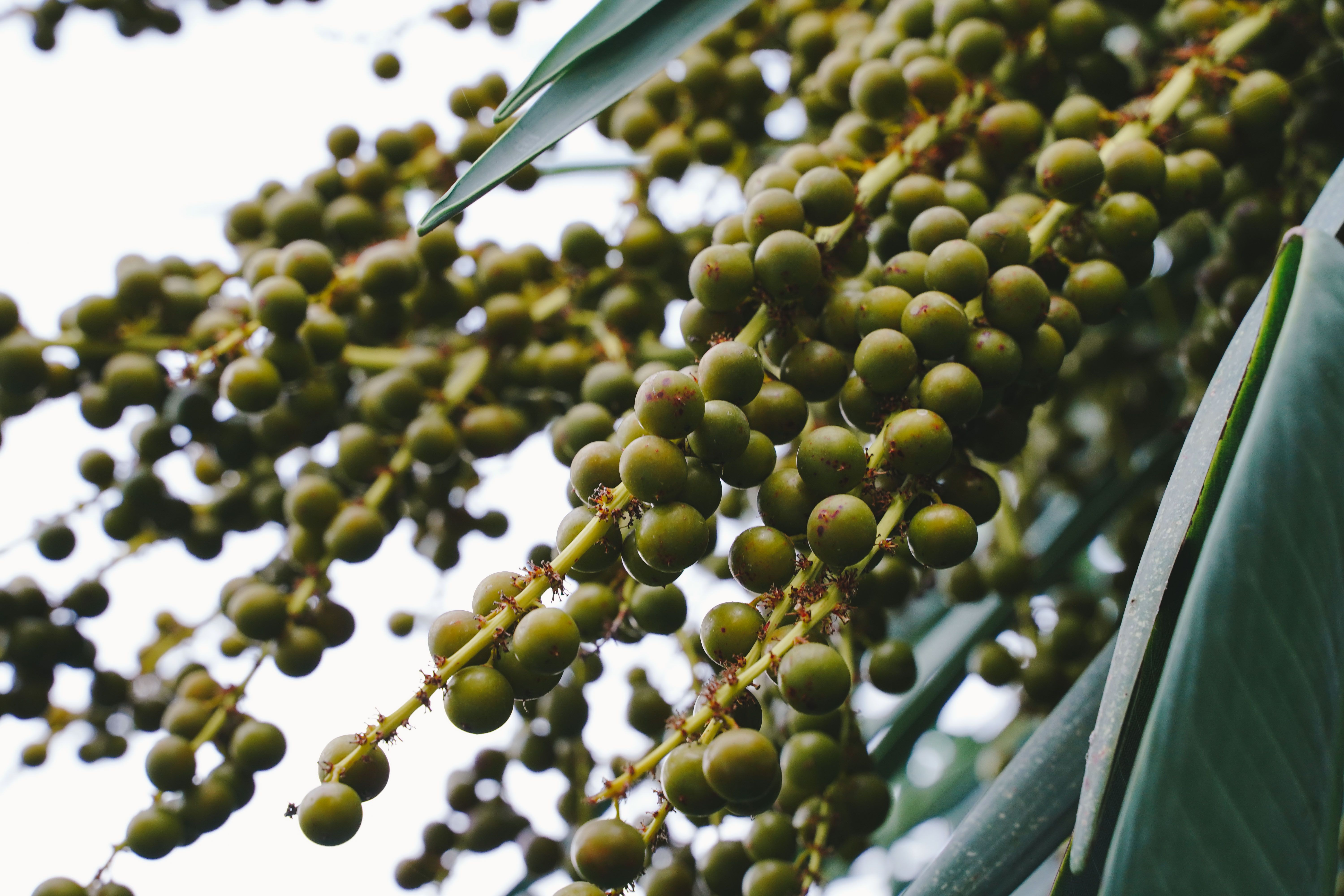
Palm kernel meal is a by-product of palm oil production. It provides protein and fiber and can be an economical feed ingredient, although its relatively high fiber content and amino acid profile should be considered during formulation.
Conclusion
Each feed ingredient has its own nutritional advantages and limitations. Corn and wheat mainly provide energy, soybean and rapeseed meals contribute protein, while rice bran and soy lecithin provide additional lipids and functional nutrients.
A scientifically balanced combination of raw materials, together with appropriate amino acids, vitamins, minerals, and enzymes, helps optimize nutrient utilization, feed efficiency, and animal performance.
