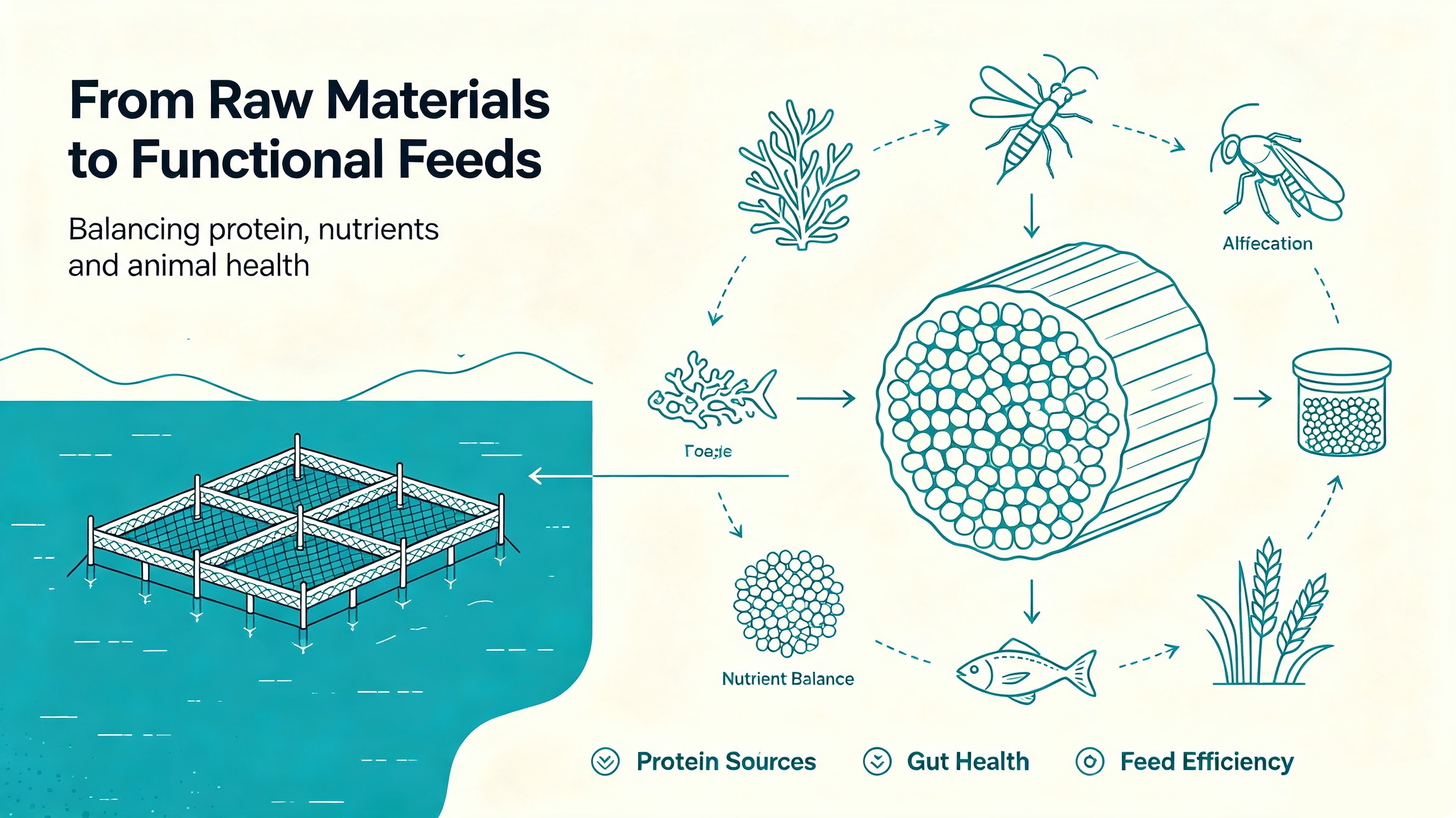
Driven by the sustained growth of global aquaculture, the shortage of traditional fishmeal and fish oil has become a key constraint on the industry’s sustainable development. Advanced alternative protein materials, precision feed formulation and optimized processing technologies have become core directions for aquafeed upgrading.
Aquaculture plays a vital role in meeting the world’s growing demand for high‑quality dietary protein. However, global aquafeed expansion faces a major bottleneck: the limited supply of fishmeal and fish oil, whose output peaked years ago. To secure long‑term aquaculture sustainability, replacing fishmeal with alternative raw materials has become an inevitable industry trend.
Researchers are exploring promising non‑traditional protein sources. Insect protein stands out for its low consumption of water, land and energy, yet challenges remain including unstable nutrient quality, chitin‑caused digestibility issues and strict safety risks from pollutant bio‑accumulation. Single‑cell protein derived from microalgae, yeast, bacteria and gas‑fermentation microbes enables resource‑efficient protein production independent of arable land.
Successful fishmeal substitution goes far beyond simply swapping raw materials. Formulators must balance essential amino acids, conditional nutrients, fatty acids, vitamins and minerals. Functional feed additives, optimized processing techniques such as fermentation and enzymatic hydrolysis also help boost feed utilisation.
Fishmeal replacement may affect aquatic animals’ gut and liver health, gut microbiota, immunity and anti‑oxidative status. Anti‑nutritional factors, nutrient deficiency and lipid oxidation are key risk triggers. Targeted solutions include anti‑nutrient removal, probiotic supplementation and bio‑active ingredient fortification.
Looking ahead
, the aquafeed sector will advance disruptive novel protein technologies, develop targeted functional additives and innovate feed processing solutions. Diversified feed ingredient portfolios will underpin stable, sustainable global aquaculture development.